National consultations for Canada's Next Policy Framework will run until December 2027, comprising two phases. The first phase will collect feedback until June 30, 2026, before a second phase begins in fall 2026. This framework aims to strengthen the agriculture sector from 2028 to 2033, succeeding the current Sustainable CAP.
Why Lacombe Matters: Protecting Canada’s Beef & Forage Innovation Network
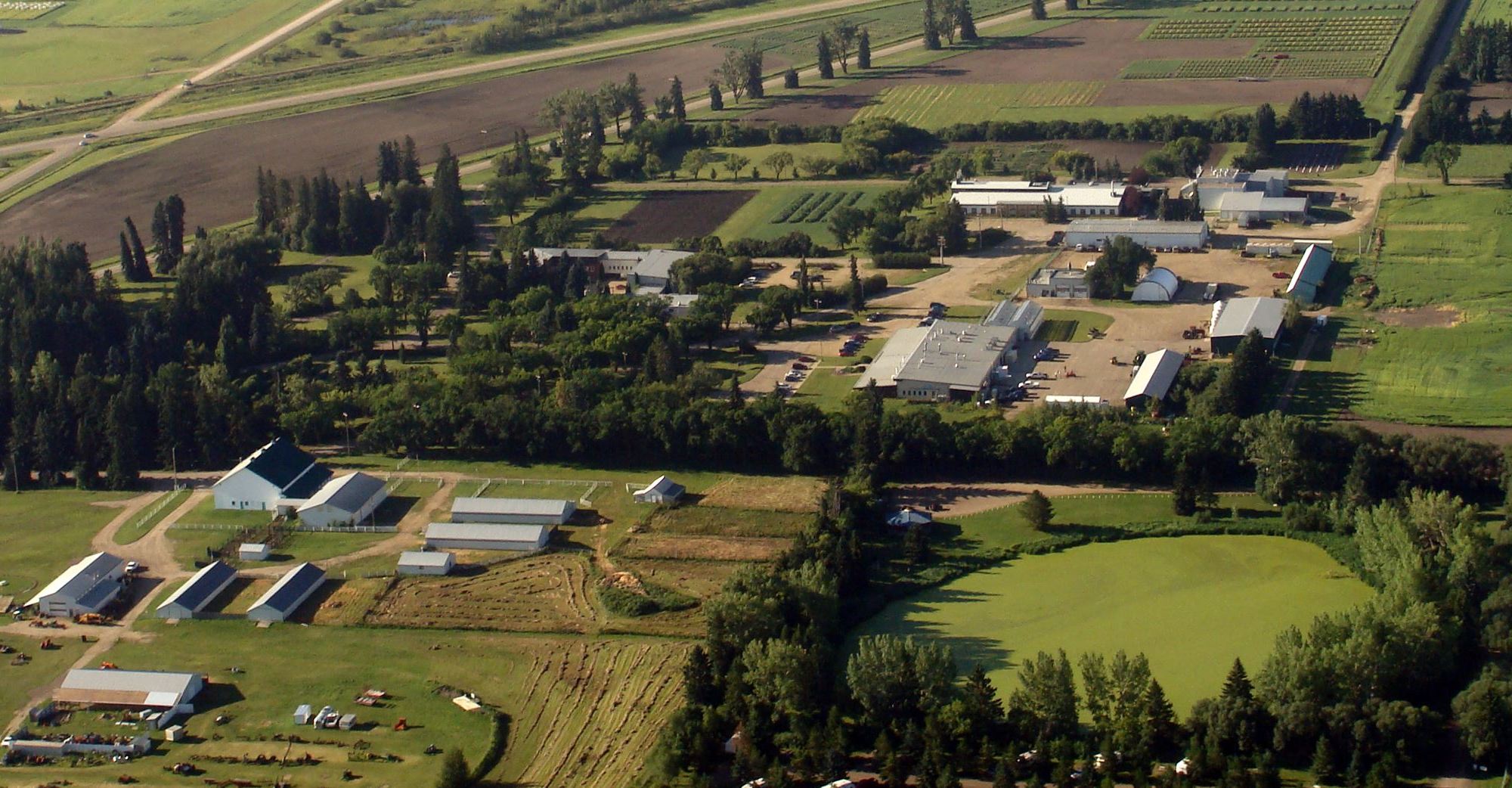
Urging the federal government to reconsider the closure of the Lacombe Research and Development Centre. For more than 119 years, Lacombe has been a cornerstone of Canadian agricultural innovation . It is not simply a research station — it is a national asset. From forage breeding and feed efficiency research to meat science, carcass grading, and food …
Continue reading "Why Lacombe Matters: Protecting Canada’s Beef & Forage Innovation Network"
Enhancing Agricultural Collaboration in Alberta
The ASB Provincial Committee's strategic plan emphasizes collaboration in the agricultural sector. On February 20th, it hosted discussions with industry groups to align priorities for mutual benefit. Ongoing campaigns encourage local engagement, focusing on traceability, nutrient stewardship, and open dialogue between producers and officials to enhance support for farmers and municipalities.
Key Takeaways from the Provincial ASB Townhall
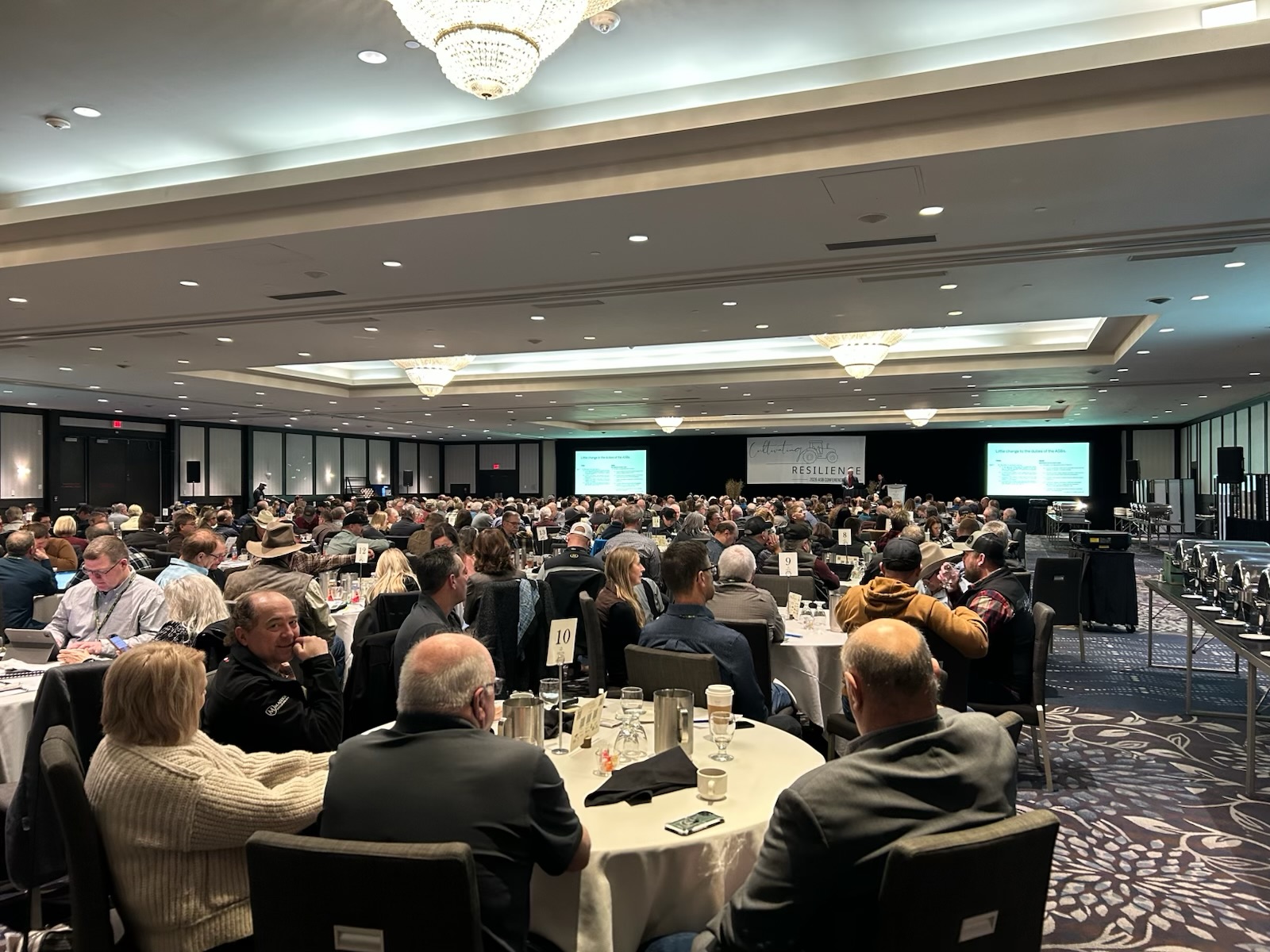
At the Provincial ASB Conference, ADM John Conrad emphasized the strong collaboration between Alberta's Agricultural Service Boards (ASBs) and the Ministry of Agriculture. Celebrating its 80th year, the ASB program reinforced financial support, mental health initiatives, and trade efforts, promoting stability, innovation, and effective problem-solving for Alberta's agricultural sector.
Inside the November ASBPC–Minister Meeting
On November 17, the Agricultural Service Board Provincial Committee met with the Minister of Agriculture to discuss priorities for rural municipalities. Key topics included budget constraints, Richardson Ground Squirrel control, veterinary shortages, mental health in agriculture, and on-farm slaughter regulations. ASBs are encouraged to document impacts and prepare for future initiatives.
New Members Join Agricultural Service Board Provincial Committee
On November 17, 2025, the newly elected Agricultural Service Board Provincial Committee convened, recognizing returning members and welcoming newcomers. Established in 2005, the Committee facilitates communication between Agricultural Service Boards across Alberta and the government, addressing key agricultural issues. Various representatives bring extensive experience in agriculture and community leadership.
Effective Weed Management on Alberta Oil and Gas Well Sites
The Weeds on Wellsites working group is actively addressing weed management challenges on oil and gas well sites in Alberta. Recent efforts include a survey of some municipalities to get an idea of the extent of the concerns. Legislative proposals aim to enhance enforcement and cost recovery, while summer field tours connected policy and landowners for greater understanding. Continued engagement is needed to deepen understanding and enhance awareness for better management practices.
Regulating Agricultural Plastics in Alberta: Your Feedback Matters
Alberta Environment and Protected Areas, along with Alberta Agriculture and Irrigation, are seeking public input on regulating agricultural plastics waste recycling. Feedback is welcome on types of plastics, implementation timing, recovery rates, and service standards. An online survey is available until September 12, 2025, with an information session on August 13.
When Policy Becomes a Farmer’s Biggest Threat – A Year in the Life of a Farmer
China's canola tariffs illustrate how federal policy choices can cripple Canadian agriculture. — Read on thelifeofafarmer.com/2025/08/13/policy-a-farmers-biggest-threat/ A worth while summary of the impact of the October 2024 move to help the auto industry on western farmers.
Municipalities Declaring Disasters in 2025: A Growing Concern – Updated September 16, 2025
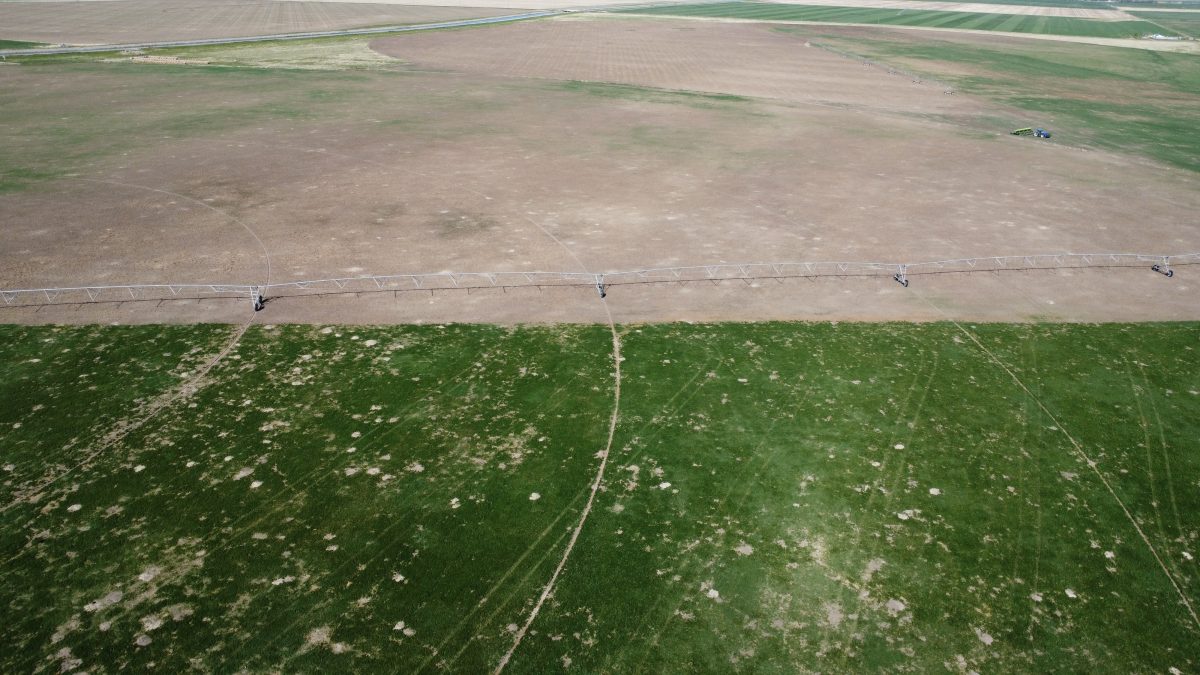
As of August 16, 17 rural municipalities in Alberta have already declared an Agriculture Disaster due to dry conditions, more are expected for the 2025 growing season.

You must be logged in to post a comment.